
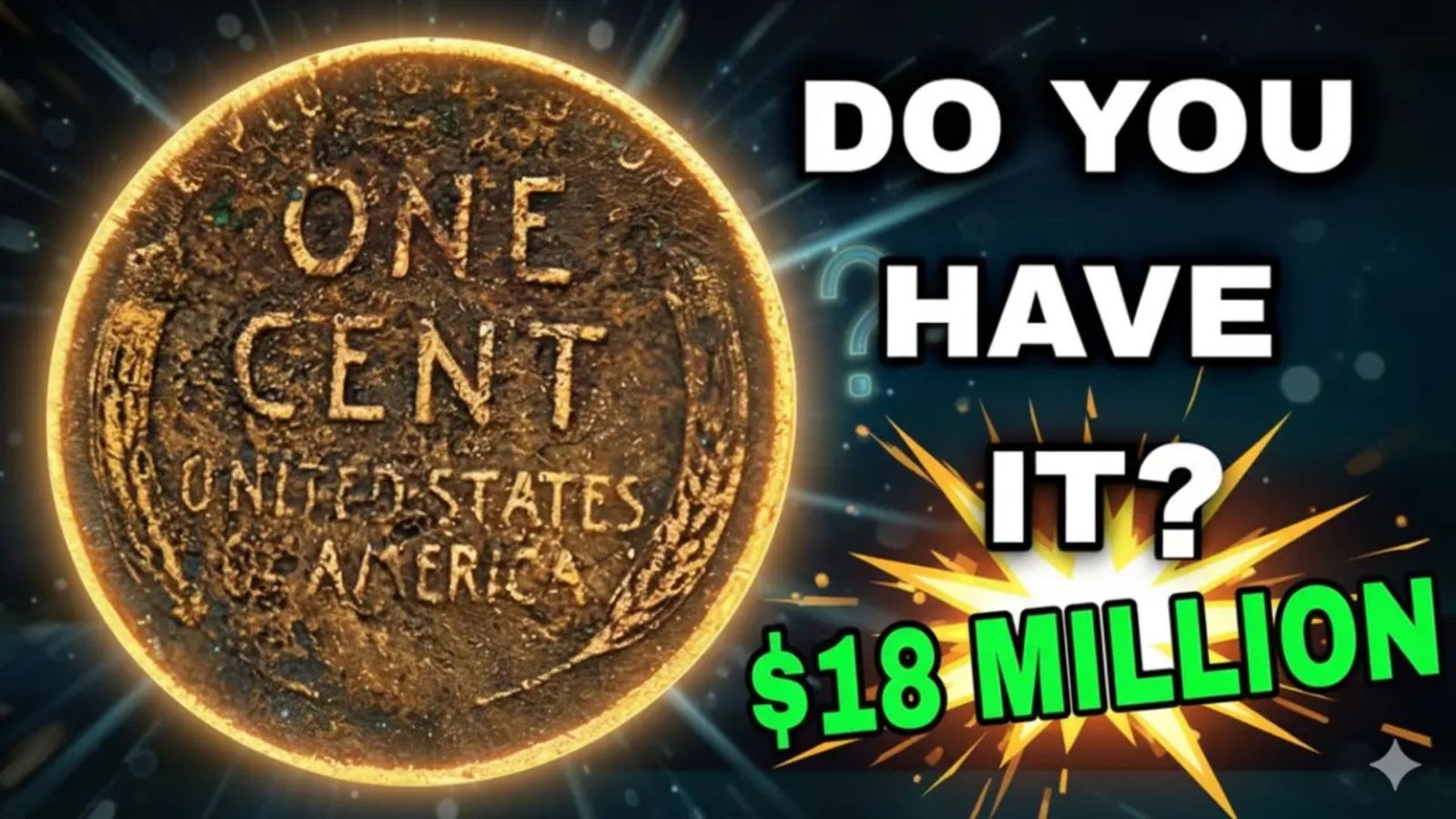
Wheat pennies, those iconic coins minted from 1909 to 1958, have captured the hearts of collectors for decades. Their nostalgic charm, historical significance, and potential value make them a favorite among numismatists. If you’re wondering how the value of wheat pennies has changed over the past 10 years, this guide is for you. We’ll break down price trends, key factors affecting their worth, and tips for collectors, all in simple, easy-to-understand language.
What Are Wheat Pennies?
Wheat pennies, officially called Lincoln Wheat Cents, are U.S. one-cent coins featuring Abraham Lincoln on the front and two wheat stalks on the back. Minted by the U.S. Mint from 1909 to 1958, these coins are named for their distinctive wheat stalk design. Collectors love them for their history, rarity, and potential value, especially for key dates and mint marks.
Why Wheat Pennies Are Valuable
The value of wheat pennies depends on several factors, including rarity, condition, and demand. Over the past decade (2015–2025), their value has fluctuated due to market trends, collector interest, and economic factors. Below, we’ll explore how these coins have performed and what drives their worth.
Factors Affecting Wheat Penny Values
- Rarity: Some wheat pennies, like the 1909-S VDB or 1955 Double Die, are extremely rare, making them highly valuable.
- Condition: Coins in pristine condition (graded MS-65 or higher) fetch higher prices than worn ones.
- Mint Mark: Coins from certain mints, like San Francisco (S) or Denver (D), can be worth more than those from Philadelphia (no mint mark).
- Market Demand: Collector interest and economic conditions influence prices.
Wheat Penny Value Trends: 2015–2025
Over the last 10 years, the value of wheat pennies has seen ups and downs, influenced by collector demand and the precious metals market. Here’s a breakdown of how their values have trended:
2015–2018: Steady Growth
During this period, wheat pennies saw modest value increases. Common wheat pennies in circulated condition (graded Good to Fine) were worth $0.10 to $0.50, while uncirculated coins (Mint State) ranged from $1 to $10. Rare coins, like the 1909-S VDB, consistently sold for $800–$2,000 in Fine condition, with uncirculated examples fetching $2,500 or more.
2019–2022: Surge in Collector Interest
The COVID-19 pandemic sparked a boom in coin collecting as people sought hobbies during lockdowns. This drove up the value of wheat pennies, especially for key dates like the 1931-S (worth $75–$200 in Fine condition) and the 1914-D ($150–$500). High-grade coins saw even sharper increases, with some MS-65 examples doubling in price.
2023–2025: Stabilization and Selective Growth
In recent years, the market has stabilized, but rare and high-grade wheat pennies continue to appreciate. For example, the 1955 Double Die penny, known for its striking error, has climbed to $1,000–$2,500 in Fine condition. Meanwhile, common wheat pennies remain affordable, with circulated coins valued at $0.05–$0.25.
Estimated Wheat Penny Values (2025)
| Year/Mint Mark | Circulated (Good–Fine) | Uncirculated (MS-65) | Notes |
|---|---|---|---|
| 1909-S VDB | $800–$1,500 | $2,500–$5,000 | Extremely rare, high demand |
| 1914-D | $150–$500 | $2,000–$4,000 | Key date, limited mintage |
| 1931-S | $75–$200 | $500–$1,200 | Scarce, popular with collectors |
| 1955 Double Die | $1,000–$2,500 | $15,000–$25,000 | Famous error coin |
| Common (e.g., 1940s) | $0.05–$0.25 | $1–$10 | Easily found, great for beginners |
Note: Values are approximate and depend on condition, market trends, and auction results.
Tips for Collecting Wheat Pennies

Whether you’re a beginner or a seasoned collector, these tips will help you build a valuable wheat penny collection:
1. Focus on Key Dates
Target rare coins like the 1909-S VDB, 1914-D, or 1955 Double Die. These have historically appreciated faster than common dates.
2. Check Coin Condition
Use a magnifying glass to inspect coins for wear. Coins graded by professional services like PCGS or NGC often command higher prices due to verified quality.
3. Learn Mint Marks
Understand the difference between mint marks (S, D, or none). San Francisco and Denver coins are often more valuable than Philadelphia-minted ones.
4. Buy from Reputable Sources
Purchase from trusted dealers, auction houses, or platforms like eBay with strong seller ratings to avoid counterfeits.
5. Store Coins Properly
Keep wheat pennies in protective holders or albums to prevent damage and preserve their value.
How to Determine Your Wheat Penny’s Value
To find out how much your wheat penny is worth, follow these steps:
- Identify the Date and Mint Mark: Check the year and look for a mint mark (S, D, or none) below the date.
- Assess Condition: Compare your coin to grading guides (e.g., Good, Fine, Mint State) or consult a professional grader.
- Research Recent Sales: Check auction sites or price guides like the Red Book for current market values.
- Get an Appraisal: For rare or high-value coins, consider a professional appraisal for accuracy.
Why Wheat Pennies Are a Smart Investment
Wheat pennies offer a unique blend of affordability and potential for growth. Common coins are budget-friendly for new collectors, while rare dates provide opportunities for significant returns. Their historical significance and finite supply ensure long-term demand, making them a solid addition to any collection.
Benefits of Collecting Wheat Pennies
- Affordable Entry Point: Common wheat pennies cost just pennies, perfect for beginners.
- Historical Appeal: Each coin tells a story of early 20th-century America.
- Potential for Profit: Rare coins have consistently appreciated over the past decade.
- Community: Join coin clubs or online forums to connect with other enthusiasts.
Where to Buy and Sell Wheat Pennies
Ready to start or expand your collection? Here are the best places to buy and sell wheat pennies:
- Online Marketplaces: eBay, Heritage Auctions, and CoinZip offer a wide selection.
- Local Coin Shops: Visit reputable dealers for hands-on inspections.
- Coin Shows: Attend events to find rare coins and network with collectors.
- Auction Houses: For high-value coins, check platforms like Stack’s Bowers or Sotheby’s.
Final Thoughts on Wheat Penny Values
The value of wheat pennies has grown steadily over the past 10 years, driven by rarity, condition, and collector enthusiasm. Whether you’re hunting for a 1909-S VDB or building a set of common dates, these coins offer a rewarding hobby with investment potential. By focusing on key dates, maintaining coin condition, and staying informed about market trends, you can make the most of your wheat penny collection.